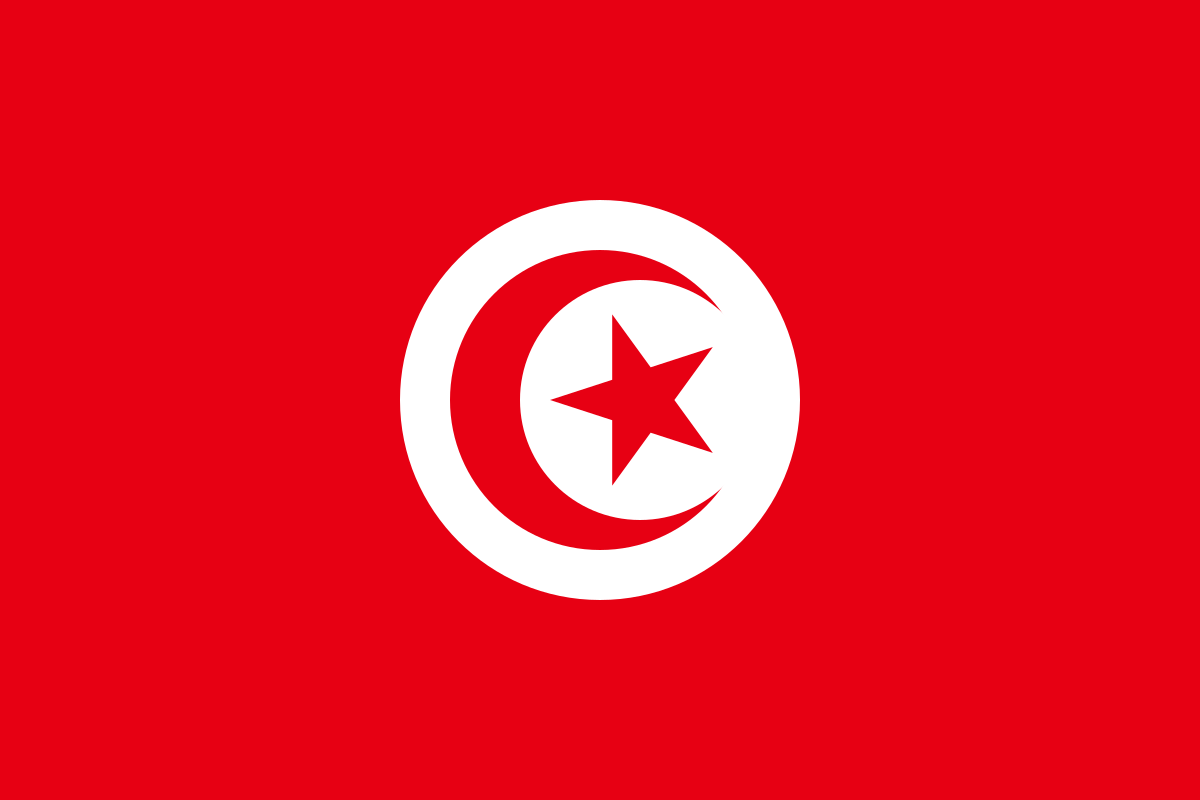
Know your audience — Tunisia is a predominantly Muslim country where faith is central to daily life and hospitality, so familiarize your staff with Islamic practices including prayer schedules, halal dietary needs, Ramadan observance, and cultural modesty norms.
Respect daily prayer times — Tunisian guests observe five daily prayers, so be thoughtful when scheduling housekeeping, events, or service interactions, and ensure prayer mats and Qibla direction are readily available upon request.
Offer halal meals clearly and confidently — ensure halal-certified options are prominently available and clearly communicated on menus, and train staff to respond to halal inquiries accurately and without hesitation or uncertainty.
Train staff on respectful engagement — equip your team to acknowledge Islamic customs graciously, from appropriate Ramadan greetings to sensitivity around religious attire and the respectful handling of any devotional items in guest rooms.
Never dismiss faith-based requests — treat every religious accommodation with the same warmth and urgency as any other guest need, ensuring every Tunisian visitor feels honored, respected, and genuinely welcomed throughout their entire stay.